Taps and toilets
Toilet and tap repairs in Glasgow
A toilet that keeps running, a cistern that leaks onto the floor, a blocked toilet or a dripping tap are small faults that waste water and can damage floors and ceilings below. Most can be fixed in one visit with the right part. In a tenement, a leak at the toilet base can show up in the flat beneath.
You need this when
- The toilet keeps refilling or you hear a trickle into the pan
- Water on the floor round the toilet base
- The flush button or handle needs several goes
- A tap drips after it is fully turned off
- A tap is stiff, loose or leaks from the spout base
- The toilet is blocked and a plunger has not cleared it
Running and leaking toilets
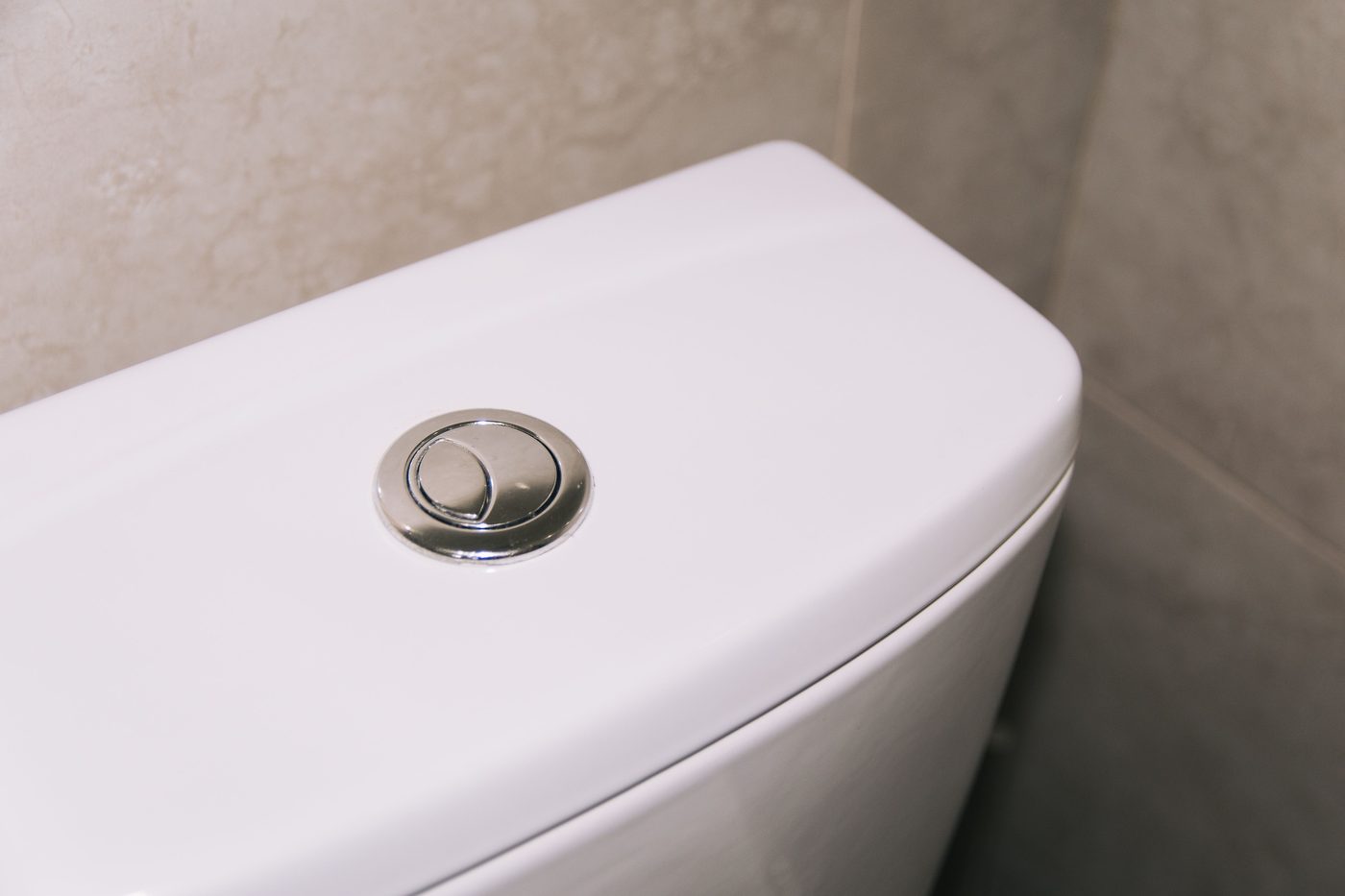
A toilet that keeps running usually has a worn flush valve seal, which lets water trickle into the pan, or a fill valve that does not shut off, which sends water out of the overflow. Modern push button cisterns use a drop valve with a rubber seal, and that seal wears. Glasgow's soft water means scale is rarely the cause, so worn rubber and grit from pipe work are more likely.
Water on the floor round the base is more serious in a flat. It can come from the pan connector, the seal between the cistern and the pan, or the supply pipe. Over time it soaks the floorboards and shows up as a stain in the ceiling of the flat below.
Blocked toilets
Most blocked toilets are wipes, too much paper or an object dropped in. A proper toilet plunger and steady pressure clears many. If water still rises, or other fittings gurgle when you flush, the blockage may be further down in the soil pipe or the shared stack. In tenements that stack serves several flats, so it may be a shared drain problem. Our blocked drains page explains who is responsible.
If you are in a ground floor flat and the toilet backs up when neighbours above flush, stop using it and call us, because that points to a blockage in the shared drain rather than your own pan. Do not keep flushing to clear it, as the water has nowhere to go but out over the rim.
Dripping taps and isolation valves
Older taps with crosshead or capstan handles use rubber washers. Most modern mixer and quarter turn taps use ceramic cartridges. A drip from the spout means a worn washer or cartridge. Water round the base of the tap usually means a worn O ring. We carry common parts, and for less common taps we identify the brand and order the right cartridge.
When it is time for a new tap, we check the pipe sizes and pressure first. A tap made for high pressure may run weakly in a top floor tenement flat fed from a tank, so we choose one that suits your supply.
Many older Glasgow flats have no isolation valves on the toilet or taps, so every small repair means turning off the whole flat, and in some tenements the whole close. A small isolation valve on each supply lets you shut off one fitting in seconds. We fit them as part of a repair where there is room. It also means that if a cistern overflows at night, you can stop it without hunting for the main stop tap.
Landlords and the Repairing Standard
For privately rented homes in Scotland, the Repairing Standard requires a working toilet, a safe water supply and a sink, a bath or shower and a wash basin with hot and cold water, according to mygov.scot. A broken toilet in a rented flat needs fixing promptly. We can deal with tenants directly and send the landlord or agent a short note of the repair.
What affects the price
The price depends on the fault, the make and the part. Some cistern parts are standard, others are specific to one brand. Access matters too, for example concealed cisterns behind panels. We confirm the price after a look.
| What | Price |
|---|---|
| Replacing a fill or flush valve | price confirmed after a look at the job |
| Fixing a leak at the toilet base | quote on survey |
| Clearing a blocked toilet | quote on survey |
| Repairing or replacing a tap | quote on survey |
No prices are shown on this site. Every job is priced after a look at it, by photo or a visit.
The visit
What happens, step by step
- 01
Identify the fault
We find out whether it is a fill valve, flush valve, seal, pan connector or tap cartridge, and what make it is.
- 02
Isolate
We turn off the water at the local isolation valve, or the stop tap if there is none, and fit a valve if one is missing.
- 03
Repair or replace the part
Many faults are a washer, cartridge or valve. If the fitting is worn out, we explain the options for a replacement.
- 04
Test and check below
We test the flush or tap, check for leaks under it, and in a flat we check nothing is still getting into the floor.
FAQ
Taps and toilets: what people ask
Still not sure?
Describe what you can see and you get a plain answer on what it needs.
Send the detailsWhy does my toilet keep running?
Usually the flush valve seal is worn and lets water trickle into the pan, or the fill valve is not shutting off. Both are common, cheap parts to replace.
Is a dripping tap worth fixing?
Yes. It wastes water, and a dripping hot tap wastes the energy used to heat it. Fixing it usually means a new washer or cartridge.
Can you fit a concealed cistern?
Yes. We make sure there is a way to reach the valves through the flush plate or an access panel, so it can be repaired later.
My toilet is blocked and the flat below has a leak. Are they linked?
They can be, if water has been overflowing or leaking at the pan base. Stop using the toilet and let us check.
Where